
Careers in Interior Design
Homes, offices, cafes, hotels and shops all need spaces that look good and work well. Interior designers create them. Here is what the career involves and how students can get started.
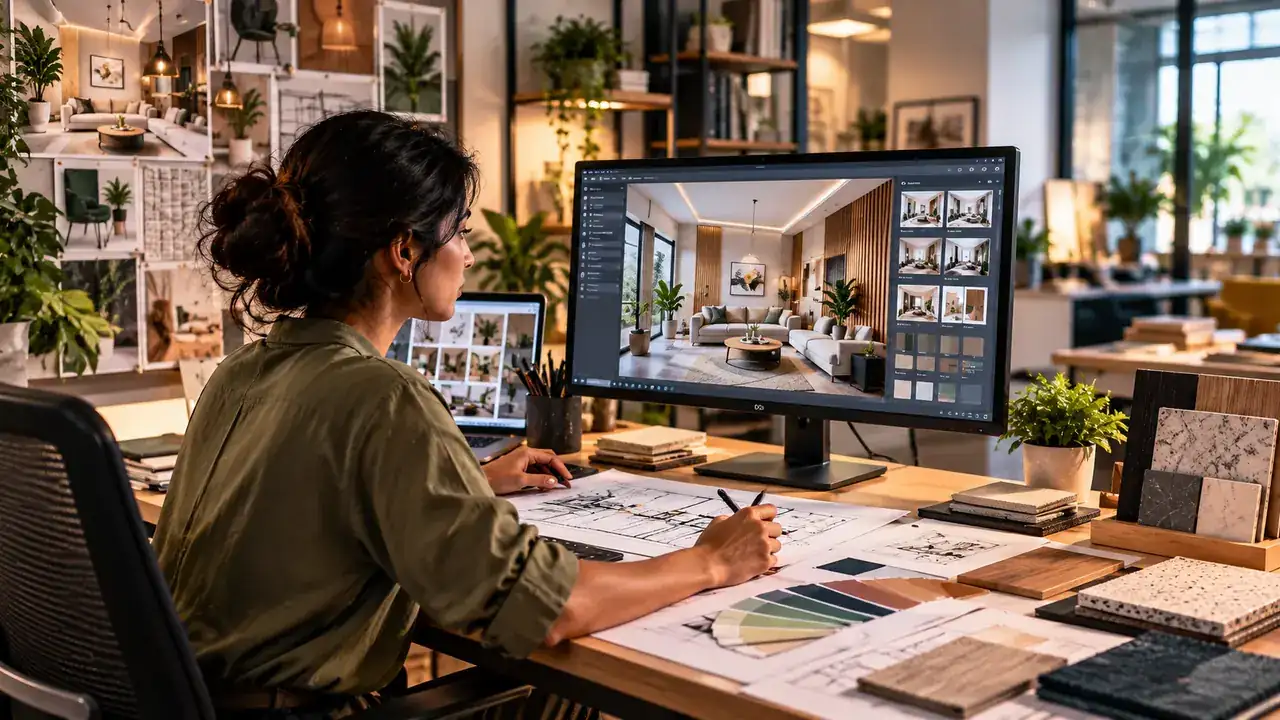
Think about a cafe you love spending time in, or an office that feels bright and easy to work in. Someone planned the layout, lighting, colours, furniture and materials to make that space feel right. That is the work of an interior designer. As people and businesses invest more in the spaces where they live, work and relax, interior design has become a popular and creative career choice.
What does an interior designer do?
- Understands the client's needs, lifestyle, budget and style
- Plans layouts that use space well and allow easy movement
- Chooses colours, lighting, furniture, materials and finishes
- Creates drawings, mood boards and 3D visualisations
- Coordinates with contractors, carpenters, electricians and suppliers
- Oversees the project so the final space matches the design
What are the main career paths?
| Area | What it involves |
|---|---|
| Residential design | Homes and apartments, from single rooms to complete homes |
| Commercial design | Offices, shops, showrooms and co-working spaces |
| Hospitality design | Hotels, restaurants, cafes and resorts |
| Retail and exhibition design | Store layouts, displays and event or exhibition spaces |
| 3D visualisation | Realistic renders and walkthroughs of designs before they are built |
| Furniture and product design | Custom furniture, lighting and decor products |
Interior designers work in design studios, architecture firms, real estate and construction companies, furniture and decor brands, and hospitality groups. Many experienced designers start their own practice.
What skills do you need?
- Creativity and a sense of style, including colour, form and proportion
- Spatial thinking, to imagine how a space will look and feel
- Drawing and design software skills for plans and 3D views
- Knowledge of materials, lighting and basic construction
- Communication, to understand clients and guide contractors
- Project and budget management, to deliver on time and within cost
What is the education pathway?
Interior design is open to students from any stream after Class 12. Common routes include a Bachelor of Design (B.Des) in Interior Design, a B.Sc in Interior Design, or diploma programmes. Some design degrees require an entrance exam that tests creativity, drawing and visual thinking. Students interested in the structural side of buildings may consider architecture instead, which has its own eligibility requirements.
Whichever route you choose, a strong portfolio of your design work matters a great deal. Internships with design studios give valuable real-world experience. If you enjoy design in the digital world too, read about careers in UI/UX design.
How can students start preparing?
- Practise sketching rooms, furniture and everyday objects
- Notice how spaces around you use light, colour and layout
- Try redesigning your own room on paper or with free design tools
- Build a small portfolio of sketches and ideas
- Prepare for design entrance exams if you are aiming for a design degree
Does interior design have a future?
Yes. As cities grow and people invest in homes, offices, hotels, cafes and retail spaces, the need for well-designed interiors continues. Growing interest in sustainable materials, smart homes and flexible workspaces is also creating new directions. Success depends on talent, a strong portfolio, practical experience and building a good reputation with clients.
Is interior design right for you?
It may suit you if you enjoy creativity, notice details in spaces around you, like working with people and want to see your ideas become real. A psychometric career assessment can confirm whether your interests and aptitude match design careers.
Summary
Interior designers create spaces that are beautiful, practical and suited to the people who use them. The field offers paths in residential, commercial, hospitality and retail design, as well as 3D visualisation and furniture design. It is open to students from any stream, and a design degree or diploma, a strong portfolio and practical experience form the pathway.
Career Captain helps students discover their creative strengths and choose the right design course through psychometric assessments and one-on-one counselling.
Book a counselling sessionFrequently asked questions
Can I do interior design after 12th in any stream?
Yes. Interior design courses are generally open to students from Science, Commerce and Humanities. Check the eligibility and entrance requirements of each course.
What is the difference between interior design and architecture?
Architects design the structure of buildings, while interior designers focus on the inside spaces: layout, lighting, colours, materials and furniture.
Do I need to be good at drawing for interior design?
Basic sketching helps, and it improves with practice. Design software is widely used for plans and 3D views, so both skills are useful.
Is interior design a good career?
It can be a rewarding creative career with opportunities in homes, offices, hospitality and retail. Success depends on skills, a strong portfolio and experience.
Can interior designers start their own business?
Yes. Many experienced interior designers start their own studio after building skills, a portfolio and a network of clients and contractors.