What a School Career Lab can organise
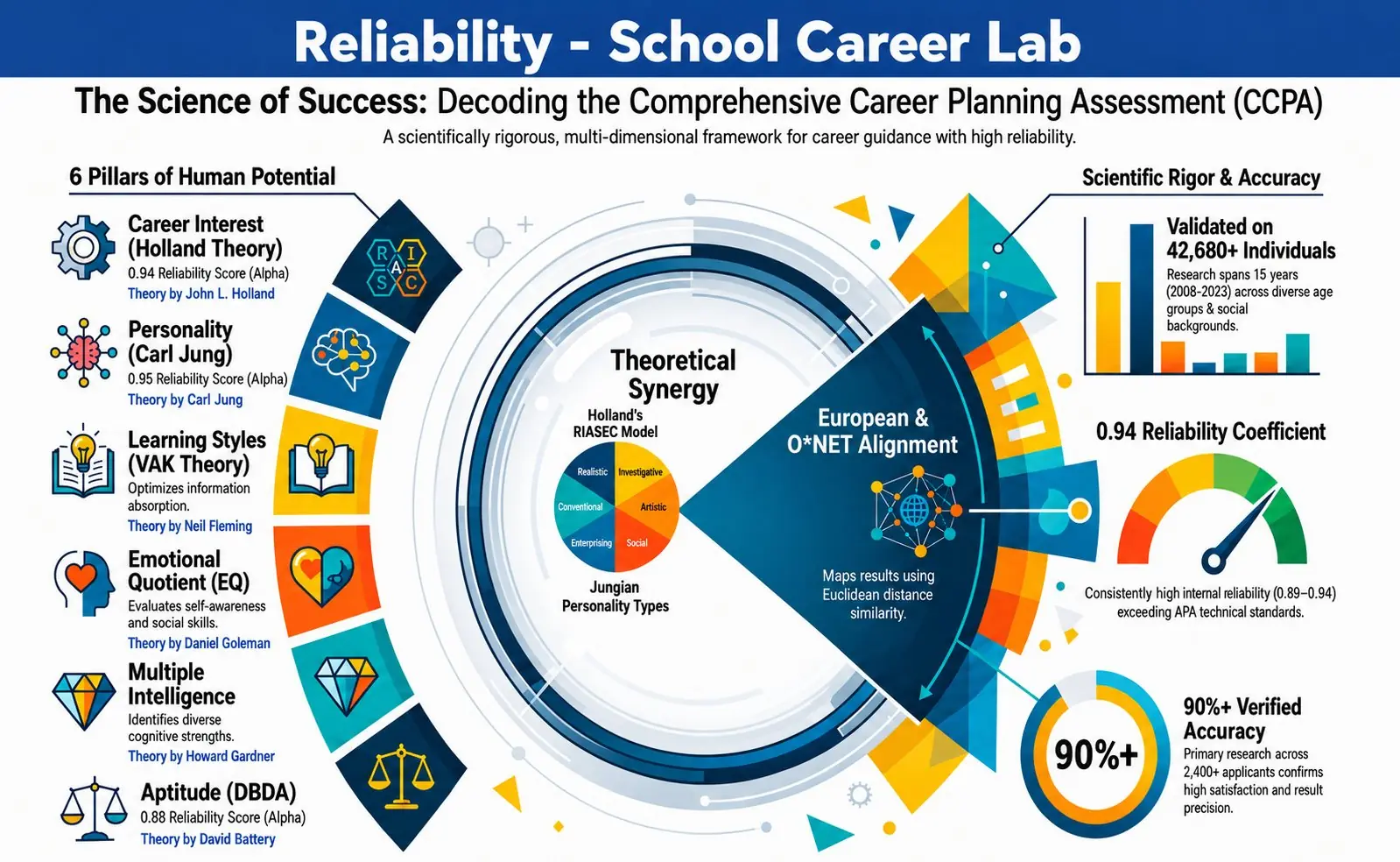
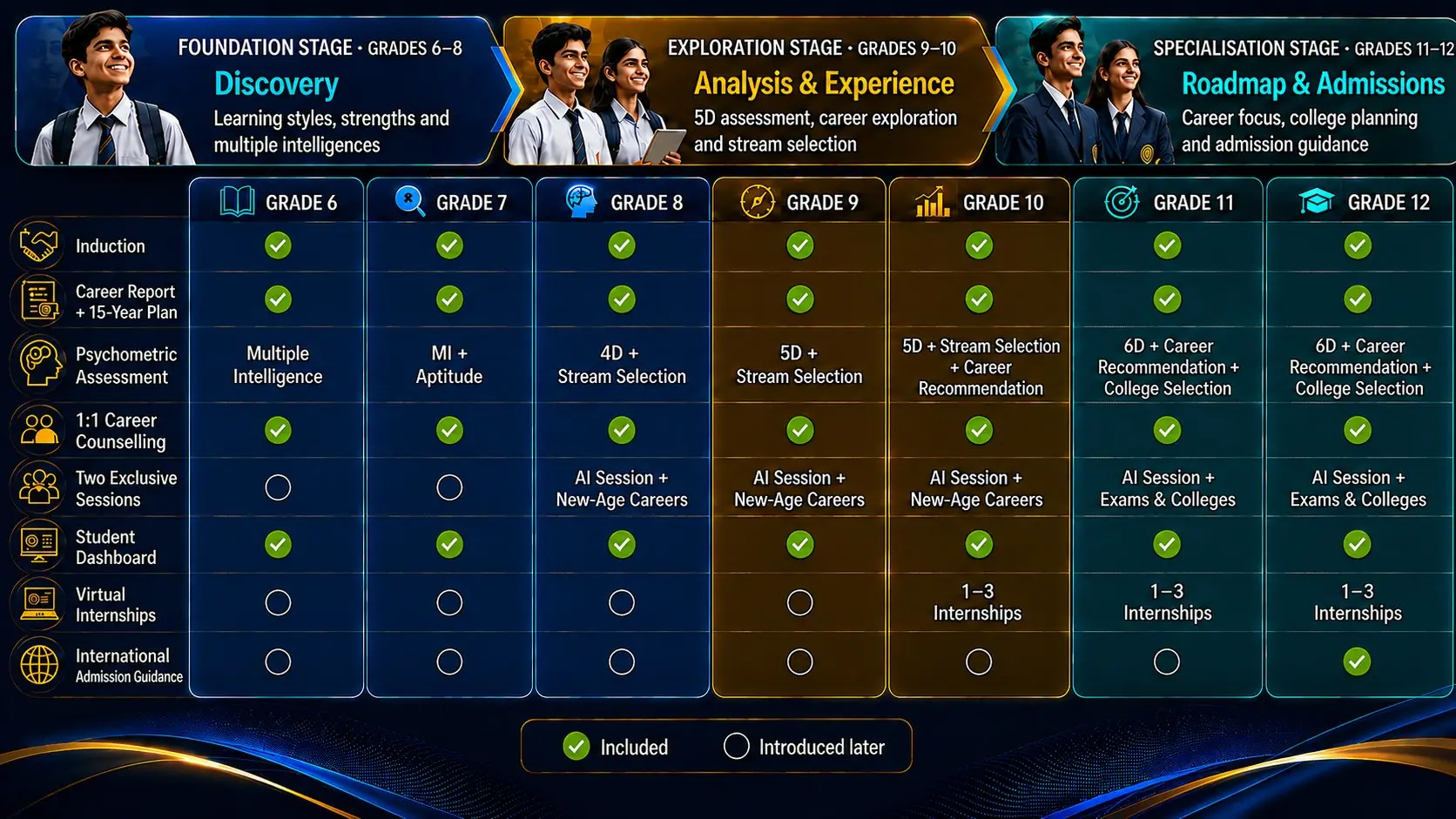
A strong programme brings several elements together: student self-discovery, career exploration, psychometric assessment at the appropriate stage, individual guidance, parent orientation and educator support. These elements are more effective when they follow a sequence and lead to clear student actions.
Assessment information should never become a permanent label. Interests, personality, abilities, learning preferences and motivators provide evidence for discussion. Students still need exposure, research and counselling to understand how those patterns relate to subjects, courses and careers.
The school can also connect career learning with existing academic and extracurricular experiences. Projects, clubs, competitions, leadership roles and community activities give students practical evidence about what they enjoy and where they may need further development.
Implementation should fit the school
Schools differ in size, grade structure, counselling resources and parent expectations. Implementation therefore needs a clear starting point: which grades will participate, what the school already provides, who will coordinate activities and how student questions will be escalated for professional guidance.
A demonstration allows the leadership team to examine the platform, student journey and available support before choosing an implementation approach. Career Captain can discuss how the system may complement an existing counsellor or help a school begin a more organised programme.
Questions school leaders commonly ask
Which grades can participate?
School Career Lab is designed as a structured career-development system for students across Grades 6–12. The activities and decisions addressed should remain age appropriate, with exploration in earlier grades and more focused planning in senior grades.
Does the programme replace the school counsellor?
No. It can strengthen the work of school leaders, teachers and counsellors through assessment resources, student information and an organised guidance framework. The exact role of each person should be agreed during implementation.
How are parents involved?
Parents influence subject, course, financial and location decisions. Orientation and counselling conversations can help families understand the evidence, ask appropriate questions and support the student without turning the process into pressure.
Is one assessment enough?
No single assessment should become the entire career programme. Results are most useful when combined with counselling, career research, student experiences and follow-up actions that evolve as the student progresses.
Can the school request a demonstration?
Yes. School leaders can contact Career Captain to arrange a demonstration and discuss an implementation plan suited to their students, existing guidance resources and academic calendar.