
Study in the USA After 12th or Graduation: A Complete Guide
The USA offers enormous choice and flexibility for Indian students, both after Class 12 and after graduation. Here is how the system works and how to plan your application.
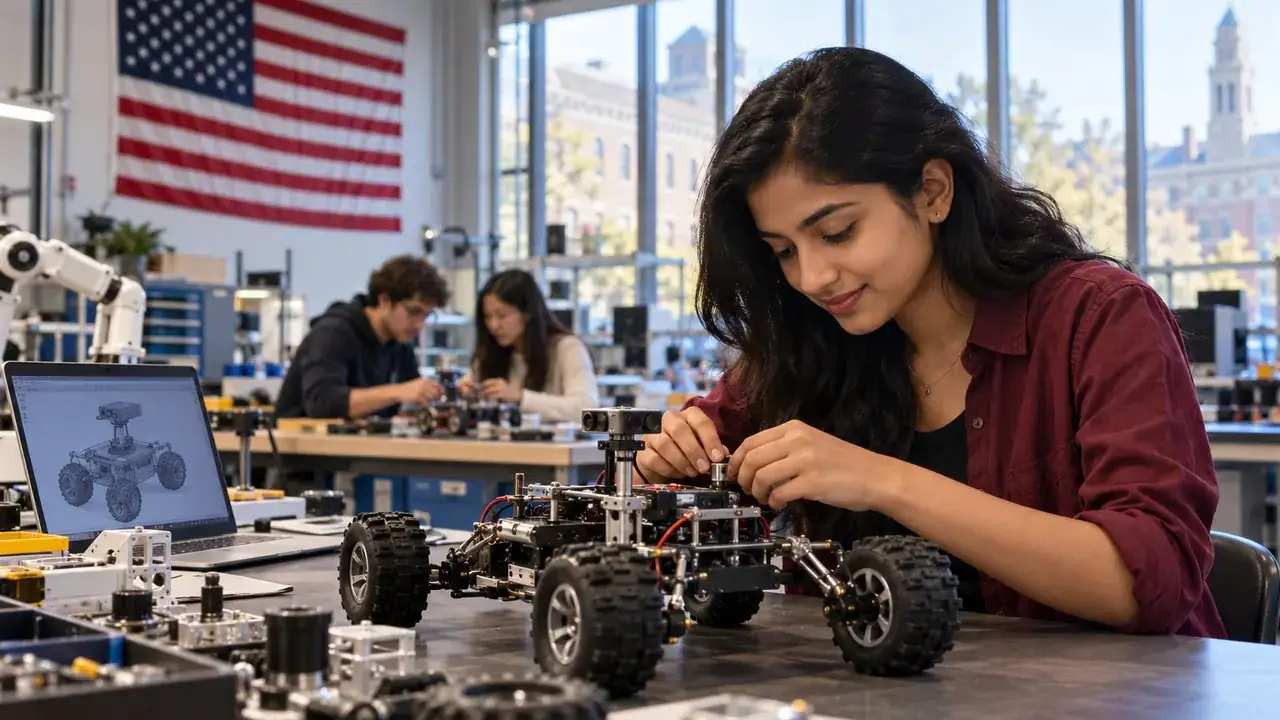
The United States has a very large and varied higher education system, from major research universities to smaller liberal arts colleges. That choice is a big advantage, but it can also feel overwhelming. Understanding how the system works is the first step to making a smart plan.
What makes studying in the USA different
- Flexibility: undergraduate students often explore subjects before choosing a major
- Range of institutions: research universities, liberal arts colleges and community colleges
- Holistic admissions: universities look beyond marks at essays, activities and recommendations
- Practical training: international students may be eligible for work-based training linked to their studies, subject to visa rules
Studying in the USA after Class 12
A US bachelor's degree usually takes four years. In the first years, students often take a broad range of courses before declaring a major, which suits students who are still exploring.
Undergraduate admissions are holistic. Universities typically consider your academic record, application essays, extracurricular activities, recommendation letters and, depending on the university, standardised test scores such as the SAT or ACT. Testing policies vary and have changed at many universities in recent years, so check each university's current policy. Our guide on building a strong student profile explains how to prepare from Classes 9 to 12.
Studying in the USA after graduation
For a master's degree, universities focus on your undergraduate record, the relevance of your background to the programme, your Statement of Purpose, recommendation letters and resume. Some programmes require the GRE or GMAT, while others have made them optional. Work experience matters a lot for MBA programmes and helps for many others.
Your Statement of Purpose is especially important at this stage. It must explain clearly why this programme, why now and where it leads. See how to write a strong SOP.
Choosing universities wisely
Don't choose universities based on rankings alone. Look at the specific programme, its curriculum and faculty, location, class sizes, total cost, and the support available for international students. A balanced list includes ambitious, realistic and safer choices.
English tests
Most US universities require proof of English proficiency. TOEFL is widely accepted, and many universities also accept IELTS and other tests. Read IELTS vs PTE vs TOEFL to choose, and confirm the requirements of each university on your list.
Costs and funding
Costs vary widely between public and private universities and between cities. Plan for tuition, living costs, health insurance and travel. Some universities offer scholarships or financial aid to international students, and some graduate programmes offer assistantships, but these are competitive. Read our guide on the real cost of studying abroad before you finalise your list.
The student visa process
After admission, your university issues the document you need to apply for a US student visa. The process usually includes an online application, fee payments and an interview at a US embassy or consulate. At the interview, you should be able to explain your course, your university choice, your funding and your plans clearly and honestly. Always check the latest requirements on the official US government visa website.
A simple timeline
- 12 to 18 months before: research programmes, prepare for tests and build your profile
- 9 to 12 months before: take tests, shortlist universities and start essays or SOPs
- 6 to 9 months before: submit applications and recommendation letters
- After admission: compare offers, arrange funding and apply for your visa
Deadlines vary by university and intake, so always follow each university's official dates.
Summary
The USA offers flexible bachelor's degrees after Class 12 and a wide range of master's programmes after graduation. Success depends on starting early, choosing universities wisely, preparing strong essays and SOPs, planning your finances and handling the visa process carefully. See our study abroad services for personal support.
Career Captain helps students shortlist the right universities, build strong applications and SOPs, and plan every step from tests to visa.
Book a counselling sessionFrequently asked questions
Can I study in the USA directly after Class 12?
Yes. Indian students can apply for four-year bachelor's degrees. Admissions are holistic, looking at academics, essays, activities, recommendations and, at some universities, test scores.
Is the SAT required to study in the USA?
It depends on the university. Testing policies vary and have changed in recent years, so check each university's current requirements before you plan.
Is the GRE required for a master's in the USA?
Some programmes require the GRE or GMAT, while others have made them optional. Check the requirements of each programme on your list.
How early should I start planning for the USA?
For bachelor's degrees, ideally from Class 9 or 10. For master's degrees, start at least 12 to 18 months before your intended intake.
What happens at a US student visa interview?
You will be asked about your course, university, funding and plans. Answer clearly and honestly, and make sure your documents are complete and consistent.