A culturally familiar environment for South Asian students — comparable curriculum standards, no language barrier, and NMC-recognised colleges close to home.
Ideal for Indian students in particular.
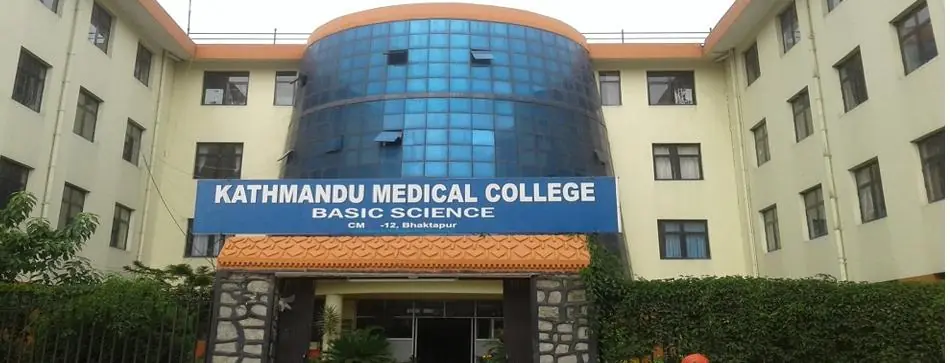
Nepal offers a culturally familiar environment for South Asian students, with high-quality medical education, comparable curriculum standards, and no language barrier.
Cultural similarity and English-medium instruction, close to India, at NMC-recognised colleges.
NEET score accepted for admission, and no IELTS required for Indian nationals.
Affordable living, with Indian food widely available on and around campus.
A clear route to practise in India via the NMC Screening Test, or locally via the Nepal Medical Council exam.
| Program Duration | 5.5 years, including internship |
| Intake | August–September (main intake) |
| IELTS Requirement | Not required for Indian nationals |
| SOP / LORs | SOP required; LORs needed for select institutions |
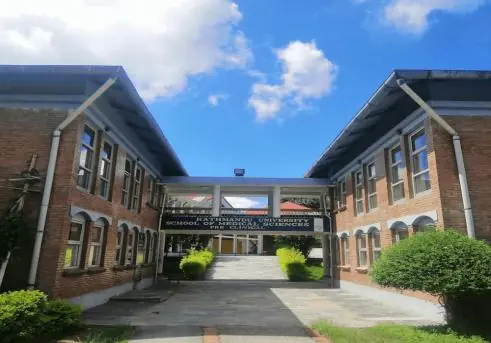
| Popular Universities | Kathmandu University, BP Koirala Institute of Health Sciences, Manipal College of Medical Sciences Nepal, and the two below |
| License Exam | NMC Screening Test (India); Nepal Medical Council exam for local practice |
Country-specific variations may apply — a Career Captain counsellor will guide you through the exact requirements for your target university.
10+2 with Physics, Chemistry & Biology, and at least 50% aggregate (45% for reserved categories).
A valid NEET score (up to 3 years old) is accepted. Practising in India requires NEET; practising outside India requires a student affidavit.
Not required for Indian nationals applying to Nepal.
Instruction must be in English throughout the programme, per NMC guidelines.
Students must complete the entire programme at one university — no mid-course transfers allowed.
Graduates must clear the NMC Screening Test to practise in India after returning.
A snapshot of well-known Nepali medical colleges.
Use this checklist to evaluate and shortlist colleges before applying.
Older, established institutions generally carry more credibility and experience.
A healthy mix of local students can signal stronger academic integration.
Look for WDOMS listing, ECFMG recognition (Europe), and FAIMER recognition (USMLE).
Five or more graduating batches a year is a good indicator of capacity and stability.
Check whether hostel, mess and admin charges are included or billed as-per-actual.
Confirm cadaver-based anatomy training and well-equipped teaching hospitals.
From your first counselling session to the first day of class — one step at a time, with nothing left to guess at.
Career assessment, country selection and an honest eligibility check against your NEET score and academics.
Shortlisting based on your profile and budget, followed by form submission and document upload.
The university reviews your application and issues a conditional or final offer.
Tuition deposit or first-year fee payment to confirm your seat.
Student visa application with the embassy; processing typically takes 3–6 weeks.
Pre-departure briefing, flight booking, arrival coordination, and university registration.
Talk to a certified counsellor before you shortlist — we'll check your eligibility, budget and university fit honestly, with no obligation.